 Written by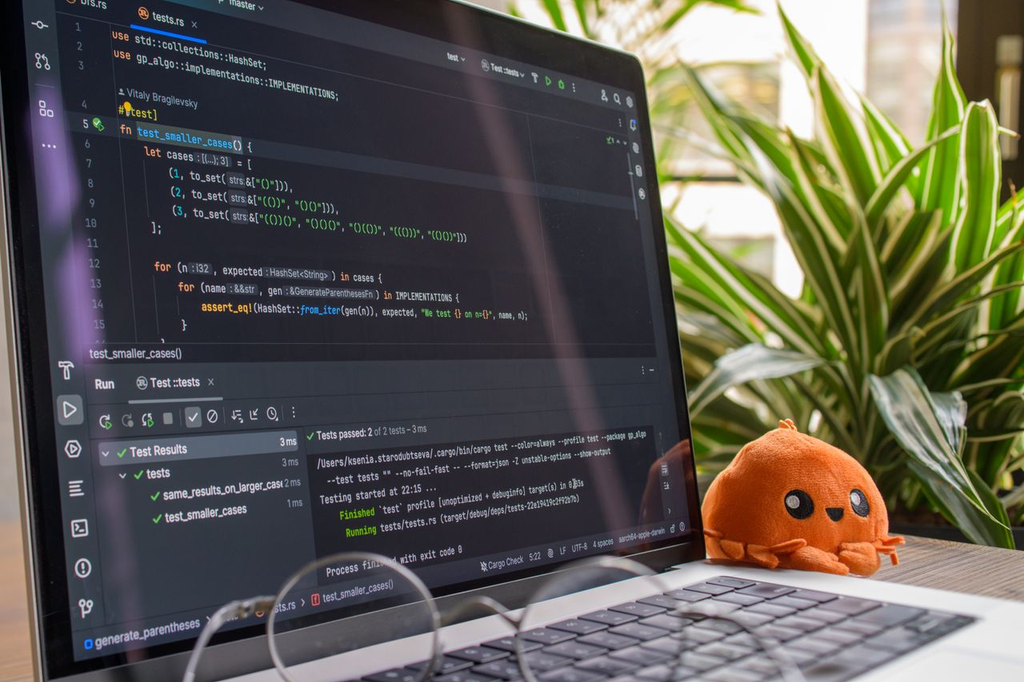
STEM education has become increasingly important as technology continues to shape nearly every industry. From software development and data science to engineering and artificial intelligence, students need practical technical skills to succeed in modern careers. However, access to effective STEM learning has not always been equal. Traditional software requirements, hardware limitations, and complex setup processes have often created barriers that discourage learners before they even begin. Online Integrated Development Environments (IDEs) are helping change that reality.
Removing Technical Barriers for Beginners
Online IDEs remove much of this complexity by providing ready-to-use environments directly through a web browser. Students can begin coding almost immediately without worrying about software compatibility or lengthy installation procedures. This simplifies the learning process and allows educators to focus on teaching concepts rather than resolving technical issues. For beginners, reducing setup challenges can have a significant impact on confidence. Instead of feeling overwhelmed by technical requirements, students can concentrate on understanding principles such as programming logic, mathematics, and computational thinking. This smoother introduction often leads to higher engagement and better learning outcomes.
Expanding Access Across Different Devices
Not every student has access to high-end computers capable of running advanced development software. Hardware limitations have historically created disparities in STEM education, preventing some learners from participating fully in technical courses. Because online IDEs are cloud-based, they reduce the dependence on powerful local machines. Students can access coding environments from laptops, desktops, and in many cases even tablets with an internet connection. The heavy processing and environment management occur remotely, allowing a wider range of devices to support STEM learning.
Supporting Hands-On Learning in STEM
Many online learning platforms also integrate guided exercises, projects, and automated feedback systems into the coding environment. Students are able to progress through lessons while continuously practicing new skills. Educational platforms focused on introductory programming often emphasize interactive exercises and browser-based learning experiences that allow students to build practical knowledge while working directly with coding environments.
One important advantage of these environments is the availability of Python programming tools that help learners explore one of the most widely used programming languages in STEM disciplines. Through structured exercises and immediate feedback, students can develop coding proficiency while gaining experience with real-world applications.
Creating More Effective Teaching Environments
Instructors benefit from online IDEs as much as students do. Traditional classroom environments often require educators to troubleshoot a wide variety of installation and configuration issues. Valuable instructional time can be lost helping learners resolve technical problems unrelated to the lesson itself. With a standardized online environment, instructors know that every student is using the same tools and configurations. This consistency makes lessons easier to deliver and reduces unexpected technical complications during class activities.
Enabling Future-Ready STEM Skills
The modern workforce increasingly values adaptability, collaboration, and technological fluency. Online IDEs help students develop these skills by exposing them to cloud-based workflows and digital collaboration practices that mirror many professional environments.
Students learn to work with tools that support experimentation, problem-solving, and project-based learning. They become comfortable navigating technical platforms and applying concepts in practical situations. These experiences help bridge the gap between academic learning and workplace expectations.
Additionally, online IDEs make it easier for educational institutions to update learning materials as industries evolve. New programming languages, frameworks, and emerging technologies can often be introduced more quickly than in traditional software-dependent environments. This flexibility helps ensure that students are learning relevant skills that align with current and future industry demands. By fostering accessibility and adaptability, online IDEs contribute to a STEM education model that is better positioned to meet the needs of both learners and employers.
Conclusion
Online IDEs are transforming STEM education by making technical learning more accessible, flexible, and engaging. By eliminating setup challenges, expanding device compatibility, supporting hands-on practice, improving instructional efficiency, and preparing students for modern workplaces, these platforms help create more inclusive educational opportunities. As technology continues to influence how people learn and work, online IDEs will play an increasingly important role in ensuring that STEM education remains accessible to anyone eager to develop valuable technical skills.